

Future-Proofing Commercial Spaces for 2030 and Beyond
What’s Next, What’s Permanent, and What We’re Done Pretending Isn’t Inevitable
Everyone loves to talk about “future-proofing.” Most of the time it’s fluff, slapped onto design decks like parsley on a plate. Cute, harmless, forgettable.
But real future-proofing, the kind that actually holds up past next year's trend cycle, takes guts. It demands questioning the industry’s sacred cows. It means telling a client “this won’t age well” even when the current Pinterest boards disagree. It means designing spaces that don’t cling to the past but unapologetically sprint toward what users will want, even if they don’t know it yet.
By 2030, the brands that win won’t be the ones playing safe. They’ll be the ones building spaces that behave like living organisms, not static boxes. Reactive. Adaptive. And yes, occasionally a little mind blowing.
Let’s get into it.
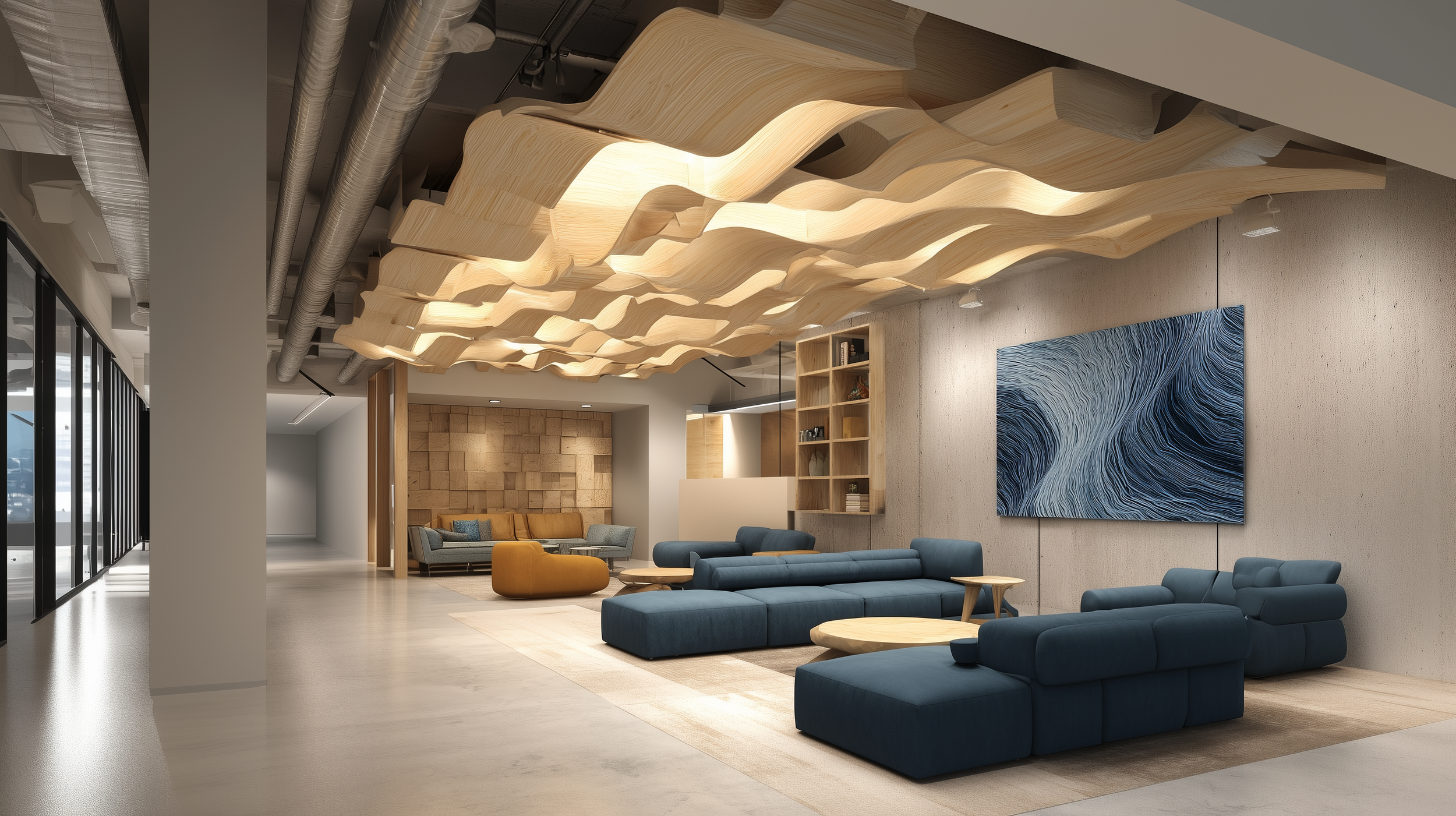
Designbar Adaptive Multi-Use Commercial Space
Flexibility Isn’t a Trend. It’s the Bare Minimum.
If a space does one thing anymore, it’s already outdated. Single-purpose design is the rotary phone of interiors. We’re over it.
According to S3T Koncepts, flexibility is now the top client demand — and honestly, they’re right. Hybrid work, evolving user habits, rising expectations in hospitality and multifamily… these forces have permanently changed the game.
The reality is this:
A space that can’t pivot fast becomes a liability.
We’re seeing:
Restaurants that morph into daytime coworking
Hotel lobbies functioning as social clubs, work hubs, lounges, and “I just need five minutes alone” zones
Retail turning into media studios at the drop of a hat
Multifamily amenities that flow from fitness to wellness to focus rooms to hangout lounges without breaking the aesthetic
If your room needs a construction crew every time the world shifts, it’s not future-proof — it’s a fossil.

Designbar Experiential Smart-Tech Lobby
Smart Tech Isn’t a Gadget. It’s the Skeleton of the Space.
The AEC Associates highlights IoT as the backbone of next-gen hospitality, and honestly, they're still underselling it. Smart tech isn’t a feature anymore. It’s the infrastructure.
Here’s the truth the industry is slow to admit:
Spaces without integrated tech will feel as outdated as a mall fountain.
The 2030 tech essentials:
Circadian lighting that supports biological rhythms
Multi-sensor systems controlling temp, acoustics, and lighting based on behavior
AI-driven environmental modeling
Smart glass creating privacy or views instantly
Seamless digital interfaces across hospitality, retail, and multifamily
AR storytelling that makes themed rooms obsolete
Immersive brand experiences that merge digital and physical
And now the part that separates the future-focused from the fossilized — the idea the old guard doesn’t want to talk about.

Designbar Futuristic Boutique Hotel Room
Let’s Talk About Immersive Guest Rooms, Because the Industry Is Tiptoeing Around This
Traditional hotel rooms are about to feel like museum exhibits. Pretty, sure. Functional, yes. But not enough.
The guest room of 2030 is a digital canvas.
Imagine walking into a room that doesn’t just look good but transforms. At the tap of a button, you choose the world you want to exist in for the night.
Scenario 1: Immersed in Nature
A projection-dome wrap fills the room with long golden grass blowing in the breeze. The HVAC system mimics natural wind patterns. The daylight temperature adjusts to “sun just starting to dip.” A fresh-cut-grass scent diffuses subtly into oxygen-enhanced air.
Scenario 2: Ocean Escape
You’re surrounded by rolling blue waves, soft surf sounds, and a color palette that shifts like water. The floor temperature drops slightly, mimicking cool sand. Light flickers like reflections off water.
Scenario 3: Live from Broadway
Live-streaming immersive theater projected around you with directional acoustics. No crowds. No lines. Champagne optional.
Scenario 4: Vegas Energy Without Leaving the Bed
Surround-sound club track, dynamic lighting, and crowd simulations for the guest who wants nightlife without shoes.
This isn’t sci-fi.
It’s possible with tech already in play.
And here’s the bold truth:
Hotels that don’t adopt this level of experiential transformation will lose the next generation of travelers.
Sustainability Is Past Due for an Upgrade
Let’s be blunt.
A recycled carpet tile isn’t innovation anymore — it’s the entry fee.
According to Data Insights Market, sustainable design is the primary growth driver for commercial interiors through 2033, and the clients demanding it aren’t tree-huggers. They’re business strategists.
Clients now expect:
Carbon-neutral materials
Recycled and repurposed finishes
Low-VOC everything
Smart mechanical systems reducing operational costs
Durable materials that age with grace, not shame
Sustainability isn’t branding. It’s survival.
Wellness Interior Design: No Longer Optional
JLL reports that wellness integration is surging in importance across commercial sectors. Good — because humans are finally noticing that environments affect their mental and physical state.
This wave brings:
Biophilia that does more than stage a photo
Daylight strategy as a science, not a hope
Intelligent air filtration
Color psychology applied with intention
If your space can’t make people feel better, someone else’s will.
Hybrid Amenity Models Are the New Standard
Fitness, coworking, social energy, quiet recharge, micro-wellness moments. One environment. Multiple moods. Seamless transitions.
Multifamily leads the charge. Hotels and workspace brands are scrambling to catch up.
Experiential Design Is Where Brands Will Live or Die
You can have the most functional space in the world. If it doesn’t make people feel something, it won’t stick.
Experiential design isn’t a buzzword. It’s the strategy that leads to viral moments, returning guests, and devoted users.
Your space isn’t competing with other spaces.
It’s competing with every memorable experience a person has ever had.
How to Future-Proof Without Guessing Wrong
1. Design for Adaptability
Layouts that shift. Furniture that reconfigures. Zones that serve multiple functions without killing the vibe.
2. Integrate Tech Quietly
No noisy interfaces. No clunky controls. No “where’s the switch” panic. Tech should feel like magic.
3. Lead with Sustainability and Wellness
It’s cheaper long term, smarter long term, and frankly, expected.
Why Future-Proofing Is a Profit Strategy, Not a Philosophy
Adaptable spaces reduce renovation cost.
Immersive, experiential environments create loyalty and buzz.
Wellness improves guest satisfaction.
Sustainability builds brand trust.
Future-proof design isn’t crystal-ball thinking.
It’s business acumen.