

Designing for Dwell Time
The Metric Most Projects Ignore
Most commercial spaces are designed to attract people in. Very few are designed to keep them there. Most projects are designed for traffic. The best ones are designed for time. And that’s where the real opportunity is. Because in hospitality, multifamily, and mixed-use environments, time isn’t passive. It’s directly tied to revenue, engagement, and long-term value. The longer someone stays, the more they spend. The more they connect. The more likely they are to come back. Even small increases in dwell time can translate into additional purchases, stronger engagement, and higher return rates, making it one of the most overlooked drivers of revenue in a space. Dwell time isn’t a side effect of good design. It’s a result of intentional design. Most spaces don’t have a design problem. They have a time problem. Time is the one metric every space is already influencing, whether it’s designed to or not.
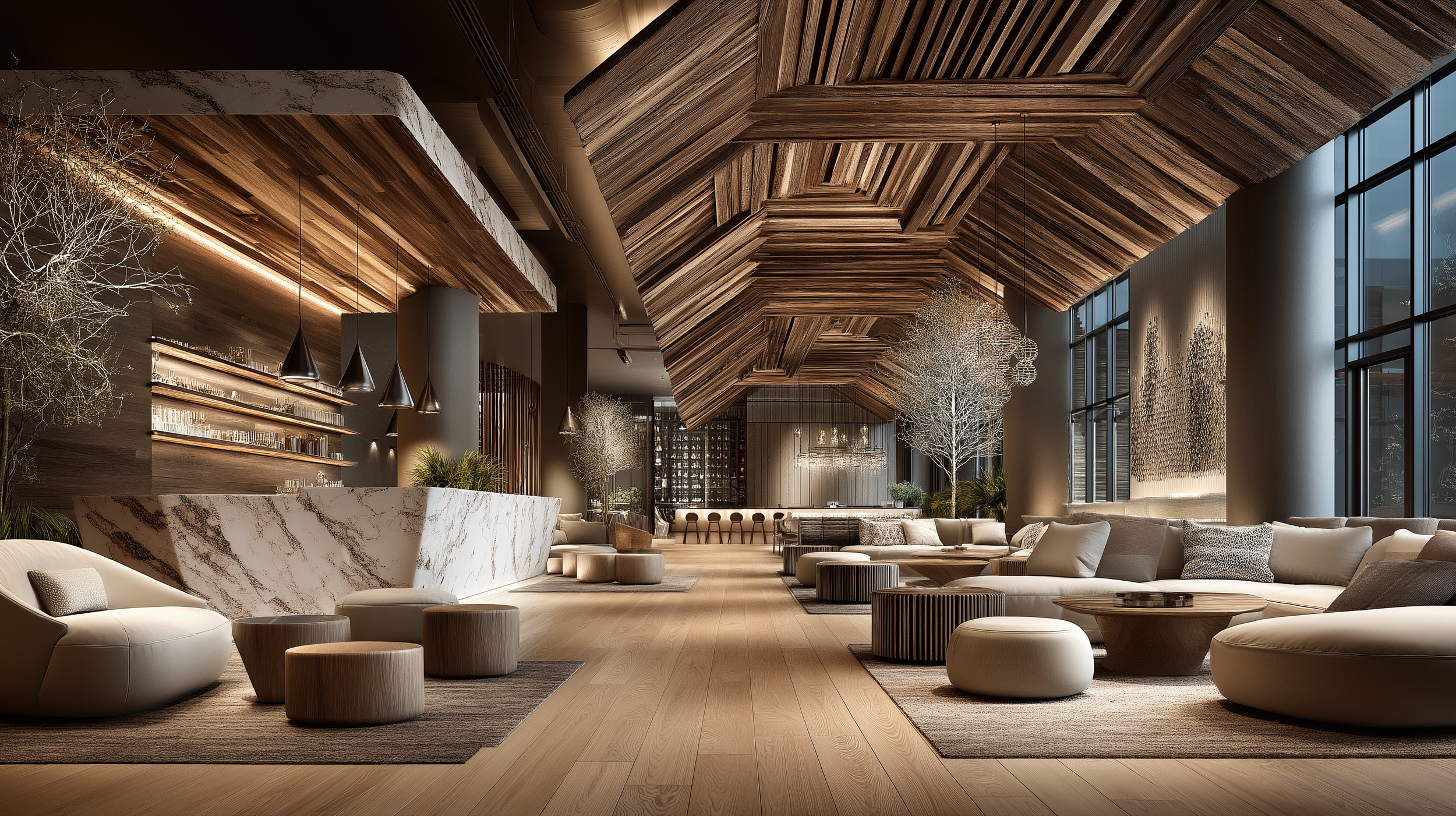
This is what designing for dwell time looks like. People don’t just pass through spaces like this, they stay.
What actually drives dwell time
People don’t decide to stay longer because a space looks good. They stay because it feels right. That feeling is shaped by a combination of factors most projects don’t fully consider:
Lighting that adapts to time of day
Seating that supports different lengths of stay
Layouts that feel intuitive, not confusing
Zones that signal where to gather, pause, or retreat
These decisions aren’t always obvious, but they’re always felt. And they directly influence how long someone chooses to remain in a space.
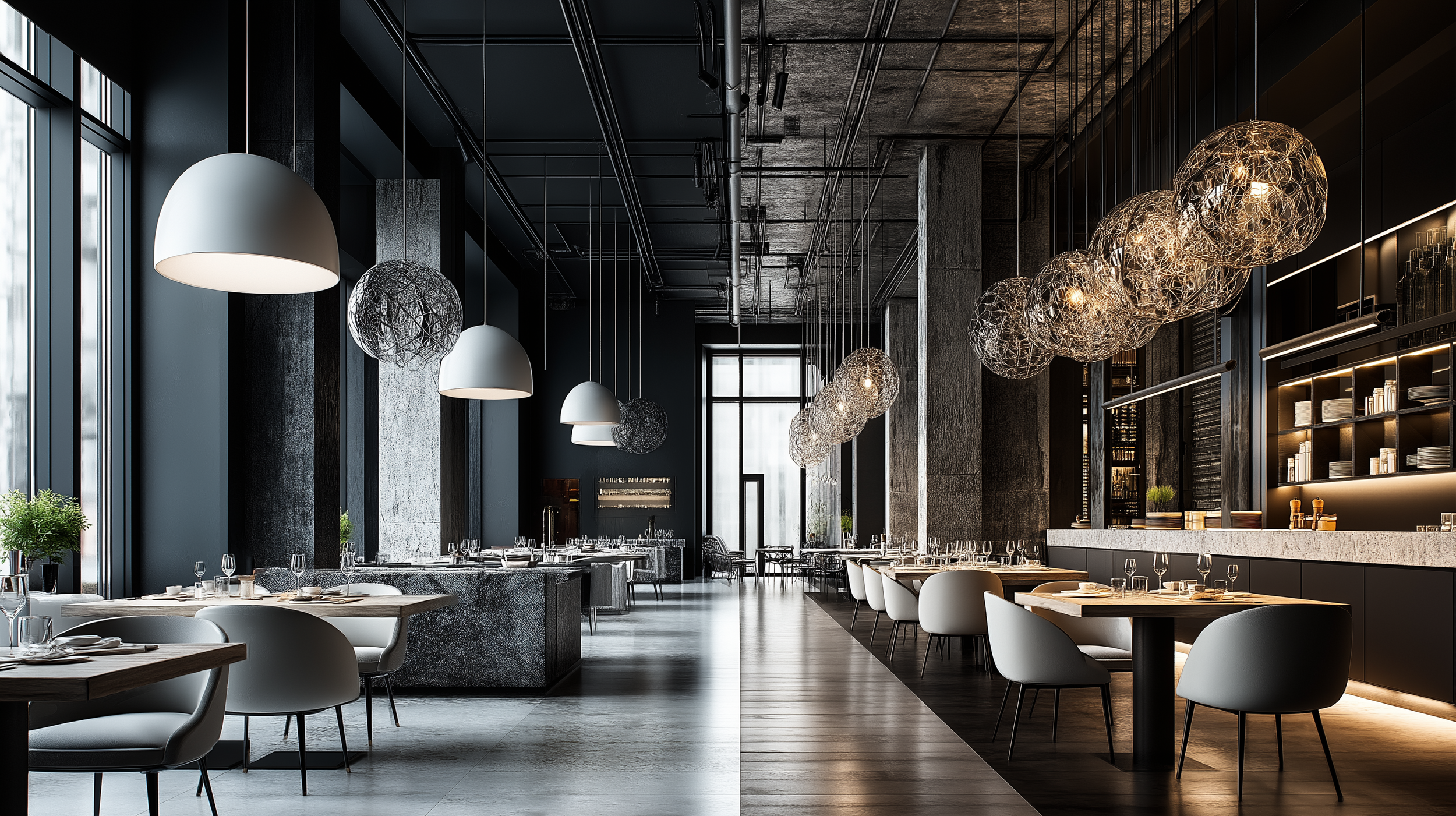
Same space. Different outcome. Lighting alone can change how long people stay.
Where projects fall short
The issue isn’t poor design. It’s incomplete design. Spaces are often created with a focus on first impression, not sustained experience. They’re overlit, which keeps people alert but reduces comfort. They lack spatial hierarchy, so people don’t know where to settle. They feel visually polished, but emotionally flat.
Nothing is technically wrong. But nothing is encouraging people to stay.
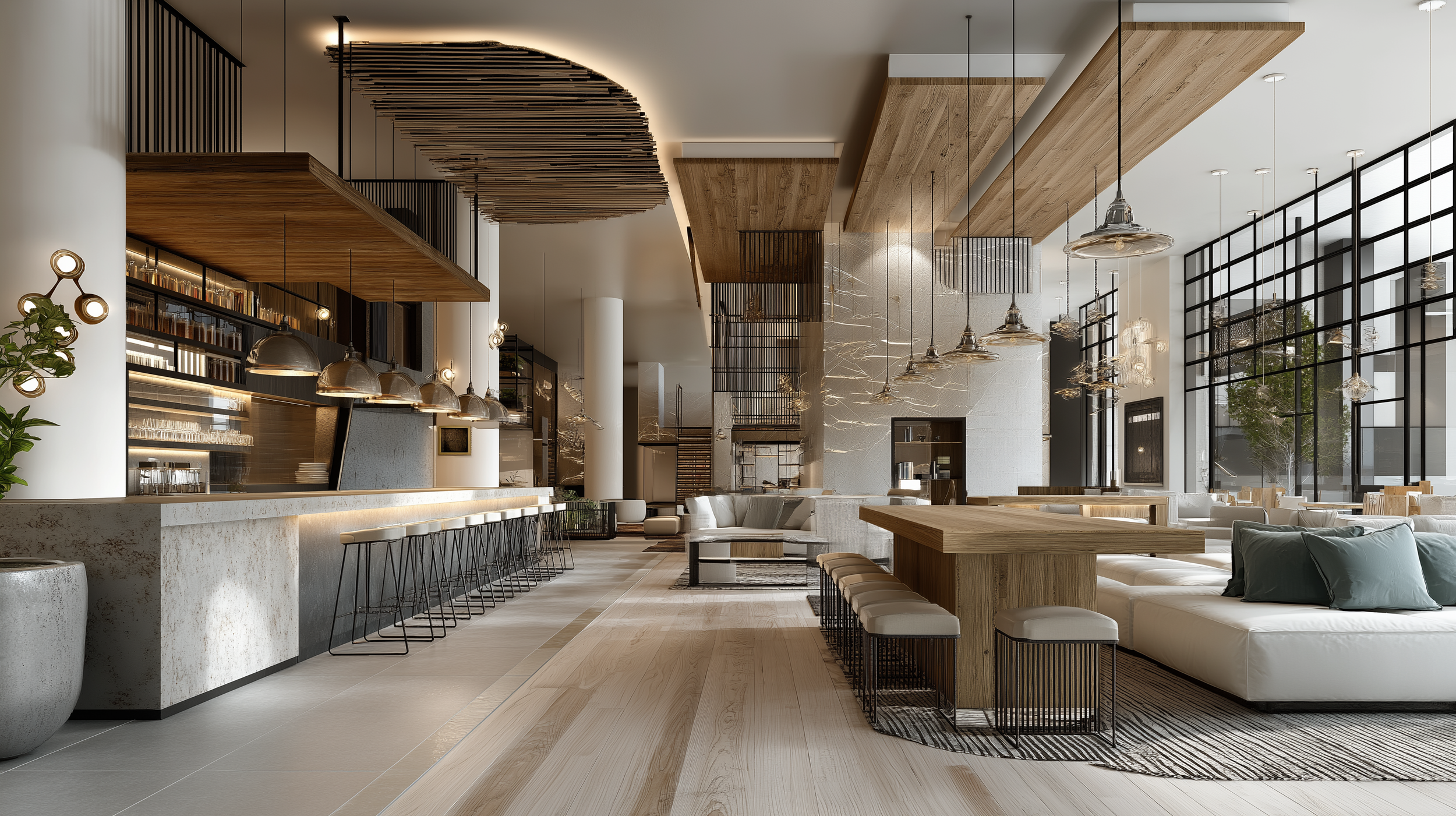
When a space clearly tells you where to be, people naturally settle in.
Designing for time, not just appearance
When dwell time becomes a priority, design decisions start to shift. Lighting is one of the most powerful tools. Bright, uniform lighting speeds people up. Layered lighting with dimmable systems, ideally around 3000K or lower in evening environments, slows things down and creates a more relaxed atmosphere. Seating strategy matters just as much. A mix of lounge, bar, and communal options gives people flexibility based on how long they plan to stay. Zoning creates clarity. When a space clearly communicates purpose, people naturally settle in instead of hovering or leaving. And the most effective environments evolve throughout the day, adjusting energy, lighting, and use to match behavior.
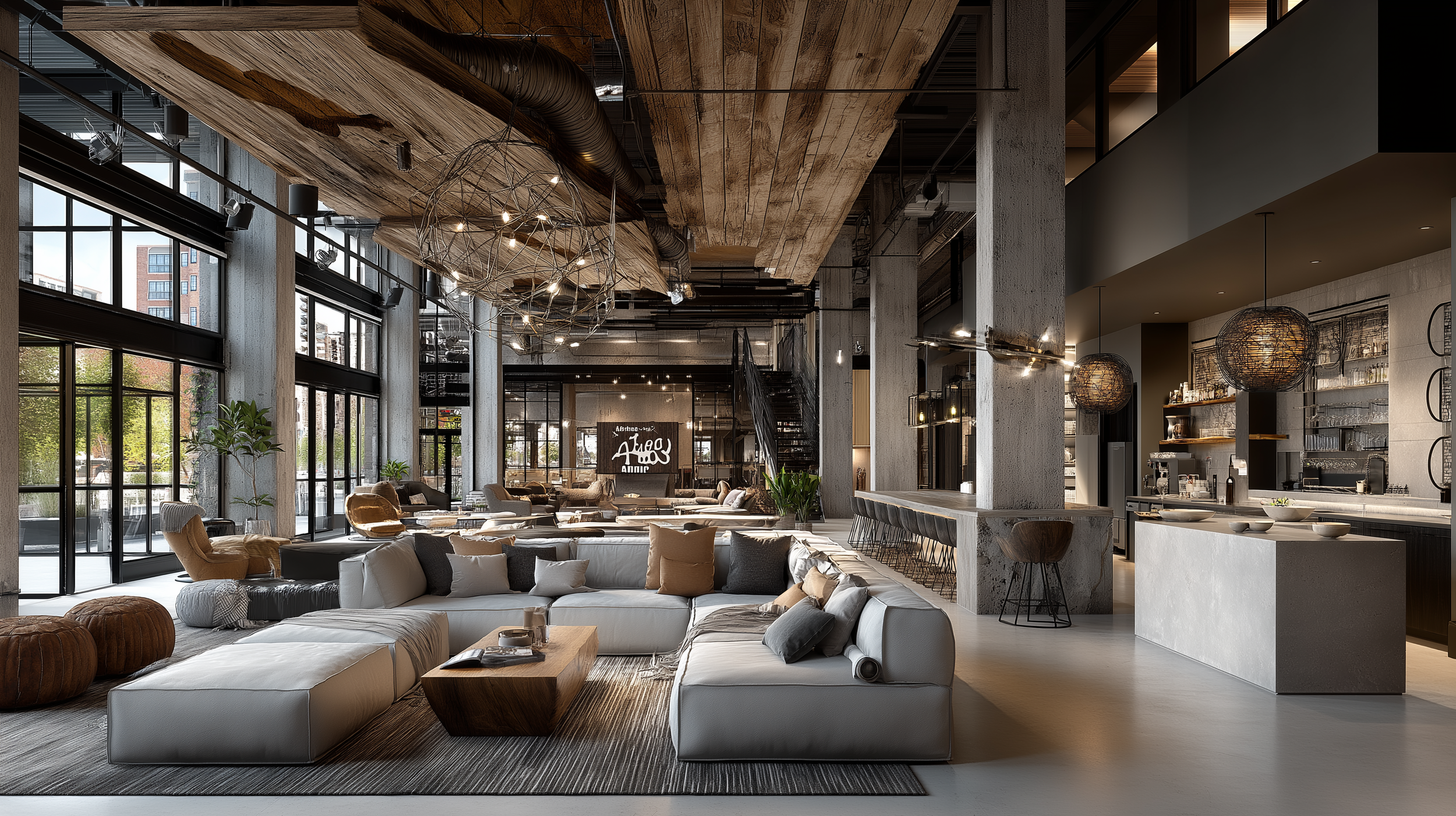
Spaces like this don’t sit empty.They become part of people’s daily routine.
A quick way to evaluate your space
You don’t need data to spot this. You can feel it.
Are people lingering, or constantly turning over?
Do guests naturally settle into certain areas while avoiding others?
Does the space feel different in the evening than it does during the day?
If the answer is no, the space isn’t designed for dwell time
Why it matters more now
People have more choices than ever. If a space doesn’t feel right within minutes, they leave. And they rarely come back. According to Harvard Business Review, emotionally engaged customers deliver significantly higher long-term value. Time spent in a space is one of the strongest drivers of that connection.
Dwell time isn’t about slowing people down. It’s about giving them a reason to stay. Because when time increases, everything else follows, revenue, loyalty, and the emotional connection to a brand.
My final Thought
Attraction gets people in the door. Experience is what keeps them there. And in today’s market, the projects that win aren’t just the ones that look good. If people don’t stay, the design isn’t working.
Ready to design a space people don’t want to leave?