

Why “Nice Design” is killing your ROI
And what you should do instead
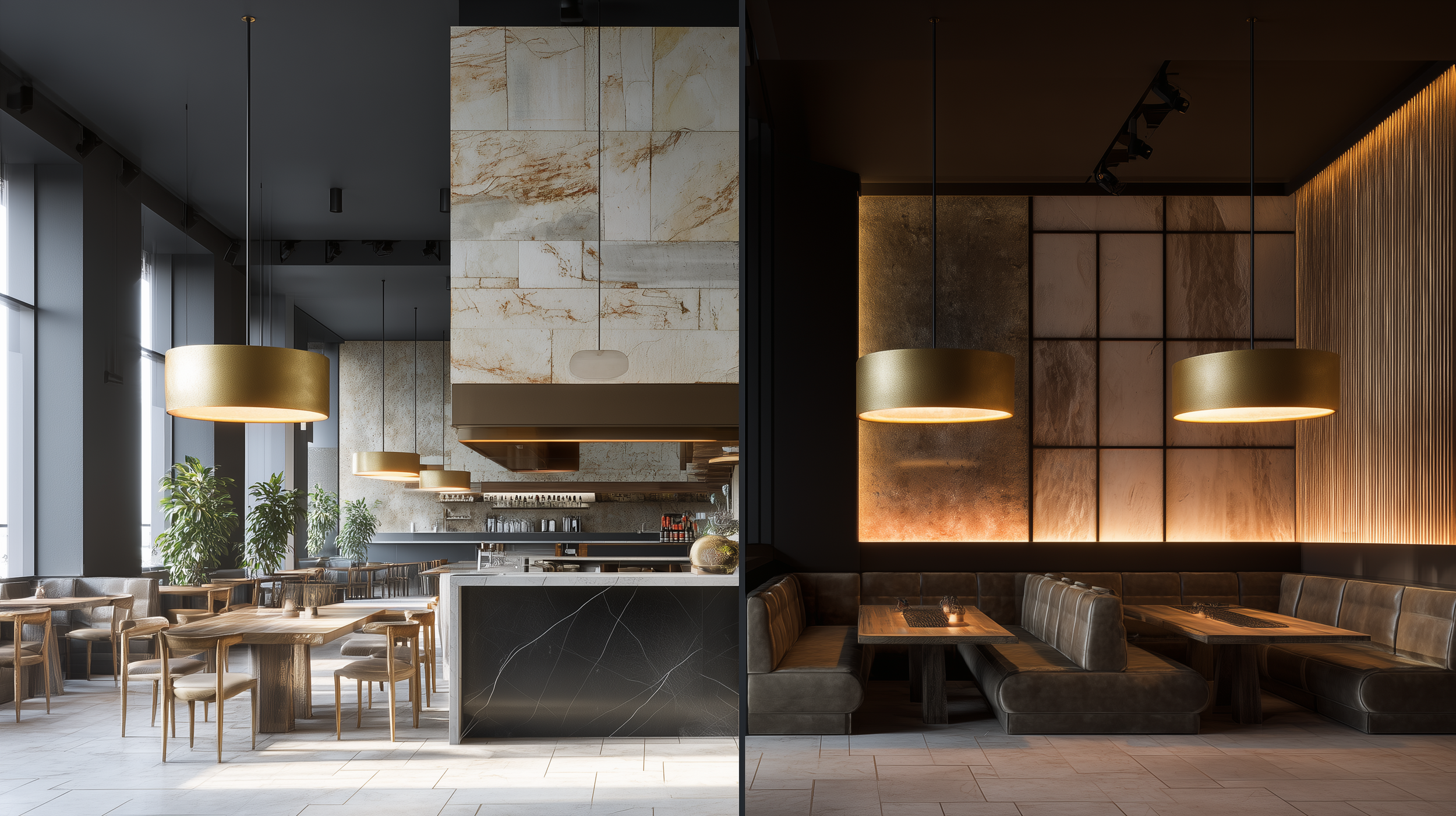
This is the difference between design that looks good… and design that performs.
Walk into most new commercial spaces and you’ll notice the same thing: They look good.
Clean finishes, trend-forward palettes, curated furniture. Everything checks the box.
And yet, a few months in, performance tells a different story.
Leasing is slower than expected.
Guests don’t linger.
Amenity spaces sit underused.
The design didn’t fail visually. It failed functionally.
And that’s where projects start losing money.
The problem with “nice”.
For years, design has been judged by one question: does it look good?
Today, that’s baseline. Expected. Replaceable.
What actually moves the needle is design that performs.
According to McKinsey & Company, companies that treat design as a business strategy outperform competitors by up to 32 percent in revenue growth.
That gap between “nice” and “high-performing” is where ROI is created or quietly lost.
Behaviour is the real metric
Every space influences behavior, whether intentional or not.
A layout that confuses people shortens their stay.
Lighting that’s too bright reduces comfort and dwell time.
Amenity spaces without identity become pass-through zones.
On the flip side, intentional design changes outcomes.
Layered, dimmable lighting around 3000K creates a more relaxed evening environment.
Clear spatial hierarchy improves flow and comfort.
Defined moments of pause increase engagement and memory.
According to Harvard Business Review, emotionally connected customers are more than twice as valuable as satisfied ones. That connection is often built through the environment itself.
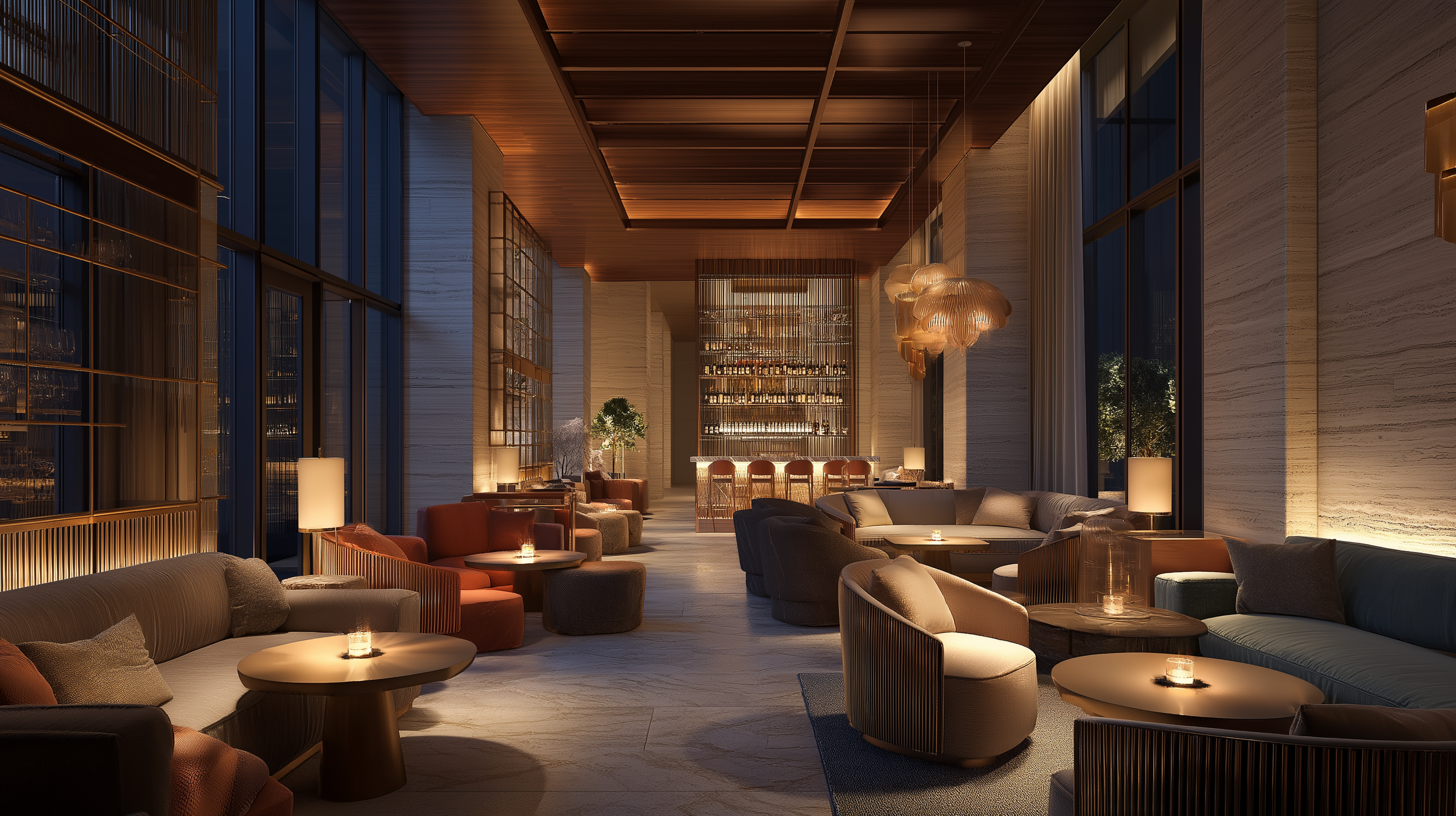
Design isn’t just about how a space looks. It’s about how long people choose to stay.
The hidden cost of playing it safe
Most underperforming spaces aren’t badly designed. They’re safely designed.
Safe choices make approvals easier. They reduce friction early.
They also blend in, fail to create memory, and struggle to command premium pricing.
In a saturated market, safe design is often the most expensive decision you can make.
What actually works
High-performing spaces aren’t styled, they’re engineered.
It starts by shifting how design is approached.
Design for behavior first. Map how people move, where they pause, and what keeps them there.
Think like a hospitality brand. Even outside hospitality, people expect experience-driven environments.
Use lighting intentionally. At minimum, dimmable systems capped around 3000K can significantly impact mood and dwell time.
Create moments, not just spaces. Entry sequences, transitions, and focal points are what people remember.
Align design with operations. If the space doesn’t work for staff, it won’t work for guests.
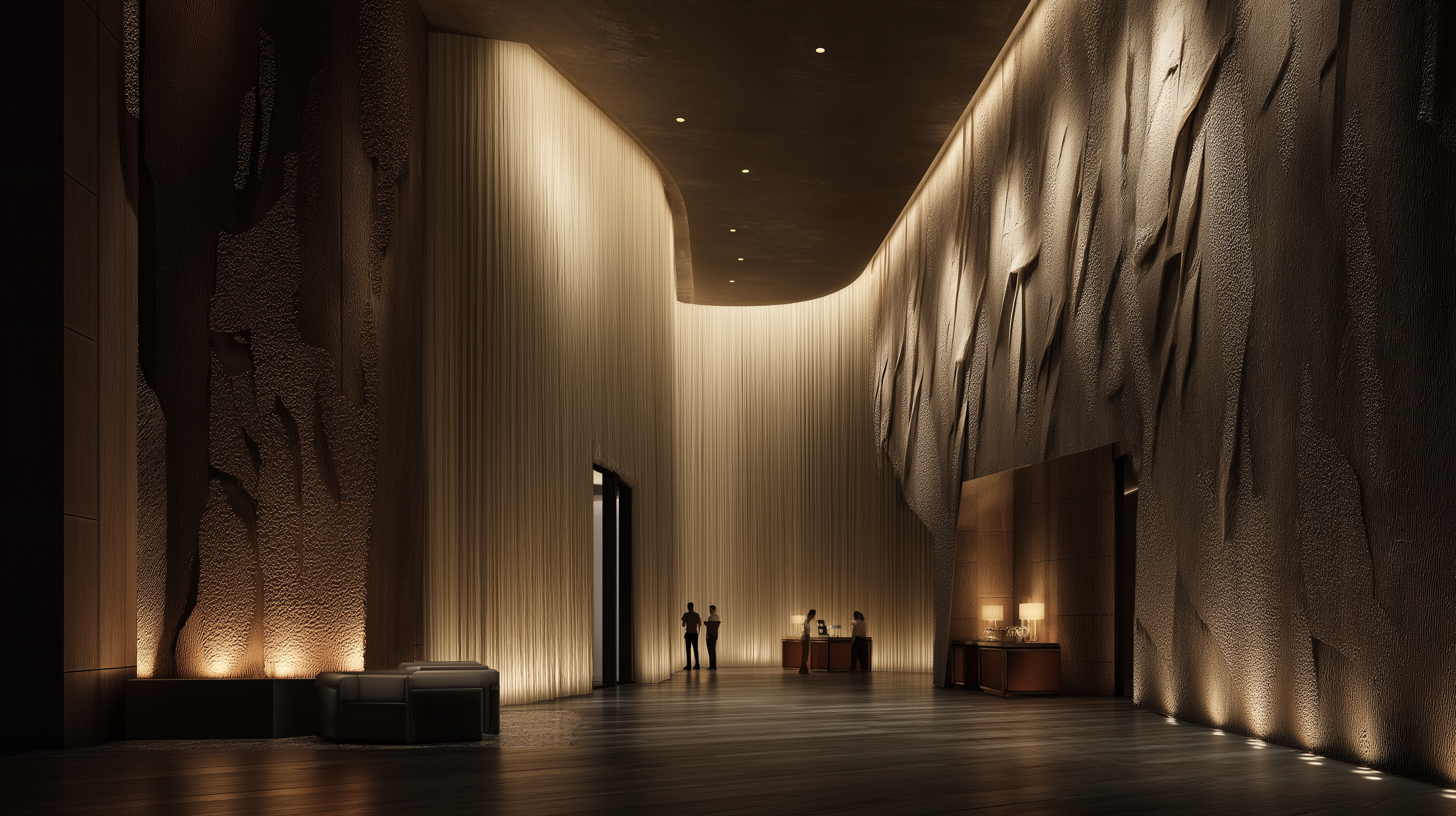
Every space tells a story. The best ones begin the moment you arrive.
Why this matters now
Expectations are higher. Options are endless. Attention is limited.
Every square foot has to work harder.
Spaces are no longer just physical environments. They are tools for attracting the right audience, increasing revenue per user, and driving long-term retention.
“Nice” isn’t enough anymore.
Design that performs is what separates projects that compete from those that lead.
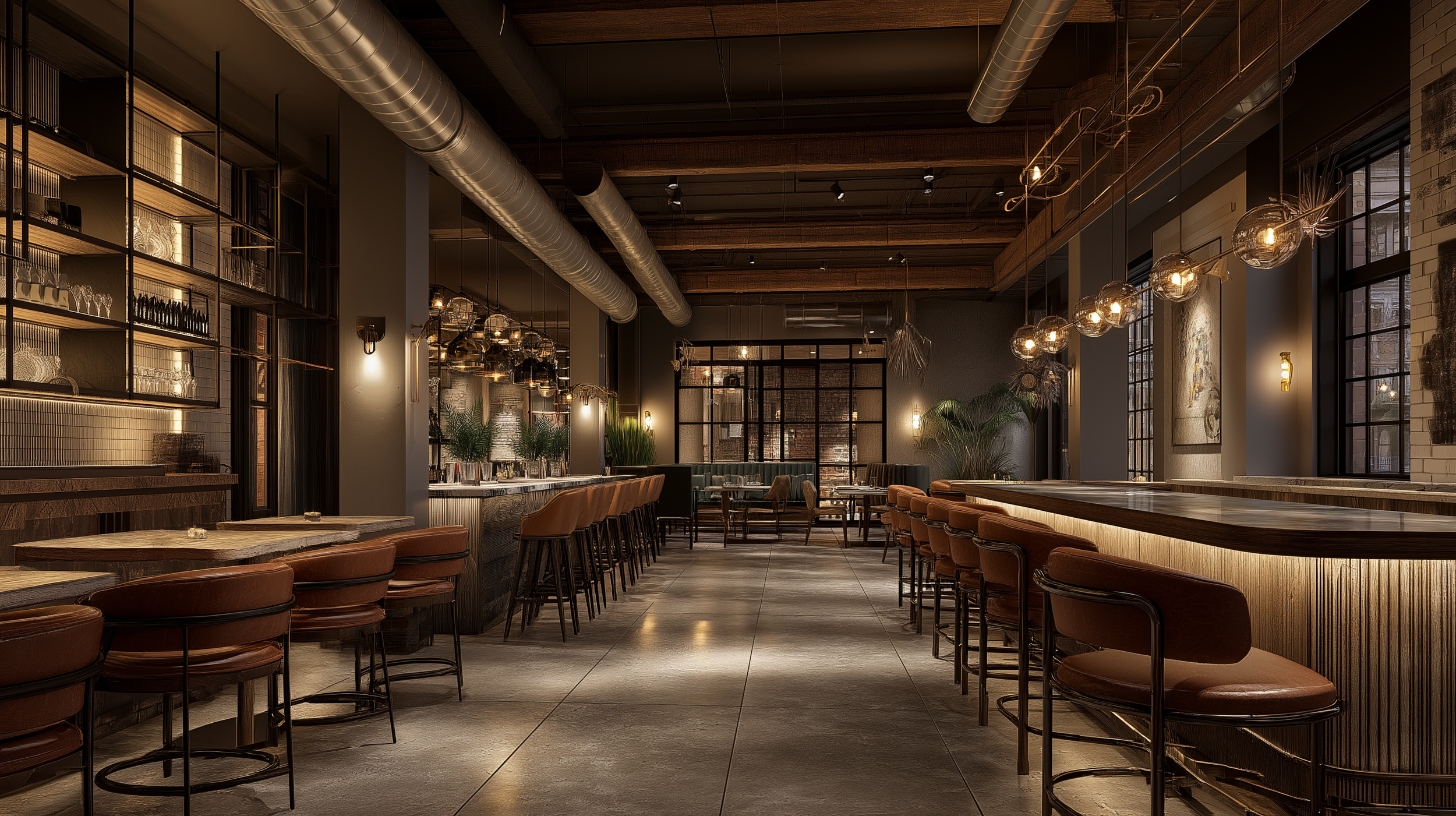
Good design looks right. Great design works right.
Sources & References:
Insights on the financial impact of design strategy:
McKinsey & Company, The Business Value of Design
https://www.mckinsey.com/capabilities/mckinsey-design/our-insights/the-business-value-of-design
Research on emotional connection and customer value:
Harvard Business Review, The New Science of Customer Emotions
https://hbr.org/2015/11/the-new-science-of-customer-emotions